






 Environment &
 Food & Beverage
 Cosmetics
 Life Sciences
 Petrochemical & General Chemistry
 Automotive Related & Interior Materials
1. What is Solid-Phase Extraction (SPE)?
Solid-phase extraction (SPE) is a sample-preparation technique devised in the late 1970s in the United States during the
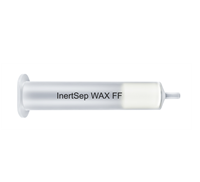
development of HPLC theory. It uses mini-columns packed with various sorbents—such as chemically bonded silica, polymer
gels, or graphitized carbon—to extract and purify target analytes from a sample.
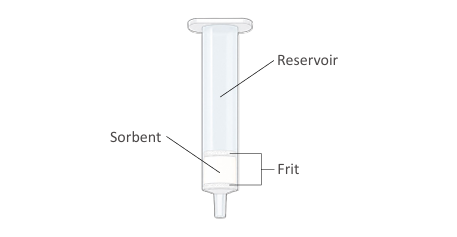
SPE has proven its value as a simple and rapid extraction method and is widely used across medicine, pharmaceuticals,
chemical industry, and environmental fields. Because it typically consumes smaller volumes of organic solvents, it is regarded
as an environmentally friendly method and has been broadly adopted in official and consensus methods worldwide—
for example, U.S. EPA methods for drinking-water and environmental analysis (pesticides, pharmaceuticals, PFAS and
other organics), European Union and ISO standards for water and food testing, AOAC INTERNATIONAL methods for food
contaminants, and numerous pharmacopeial and forensic toxicology guidelines. In Japan, SPE is also used in testing under the
Waterworks Act and JIS standards.